


Pédale rurale
“Benoît has lived in Saint-Paul all his life. He has built his own paradise, away from prying eyes, emancipating himself in his own way, alone, surrounded by nature and its colours. He has found his own ways to resist, to free himself from the scars of the past and to continue inhabiting the land of his childhood. However, on the path he has managed to forge there are still thorns that continue to hurt him. Thus, together we move forward, we pave the way, because our stories resonate, because we have met. And so, together with Benjamin, Lise, Katinka, Angélique and all the cousins here, we decided to organize a Pride march, because it is time to come to the surface, to occupy the space we never had, to celebrate, to heal ourselves and, finally, to forge a new path.”
This is how director Antoine Vazquez subtly and movingly describes the journey of Benoît, a “rural outcast,” as he defines himself. Apolitical and solitary, he will learn about collective and politicized action by joining a group of local queer people who decide to organize the first Pride march in the Périgord Vert region.
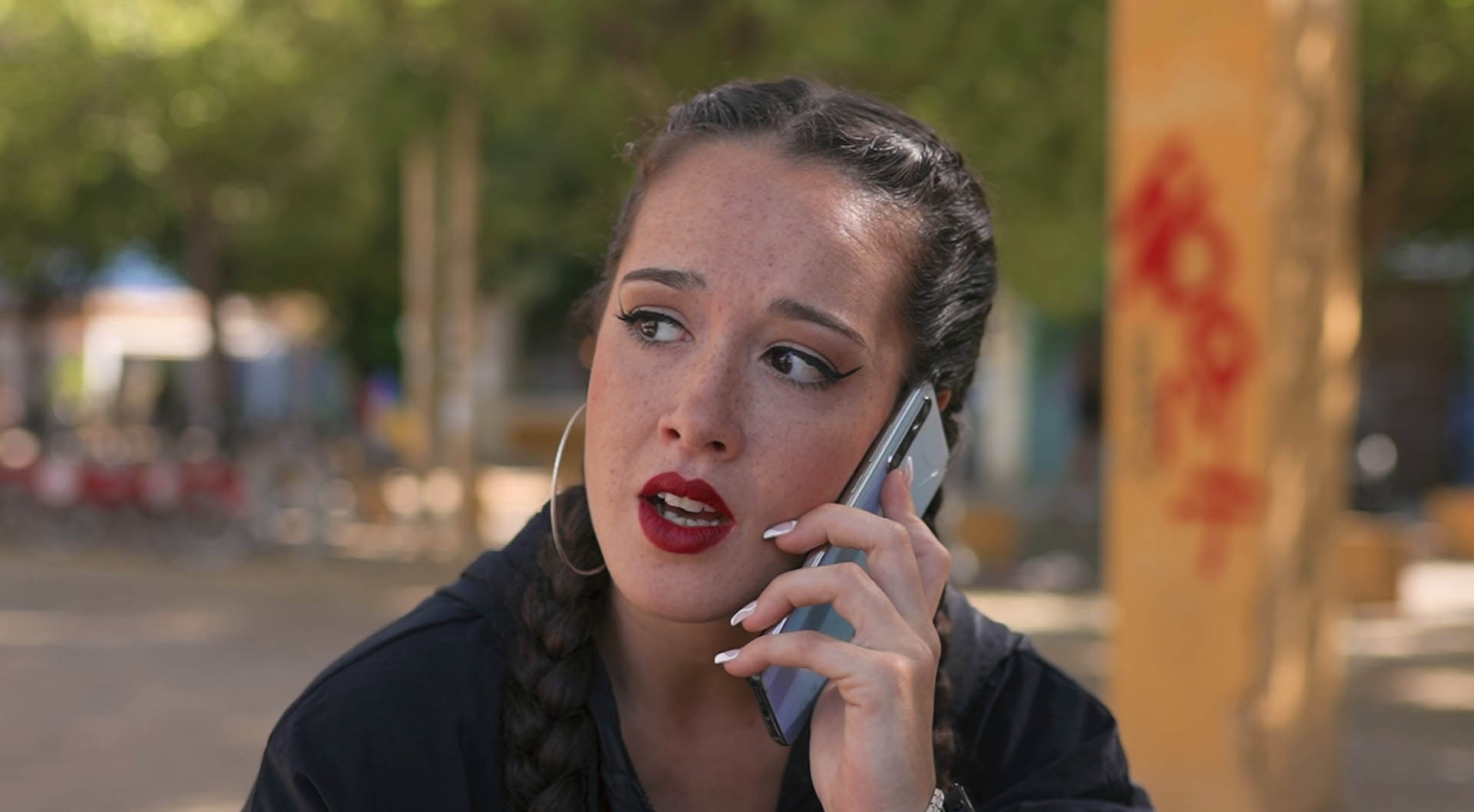
Una perra andaluza
Pablo Tocino • Spain
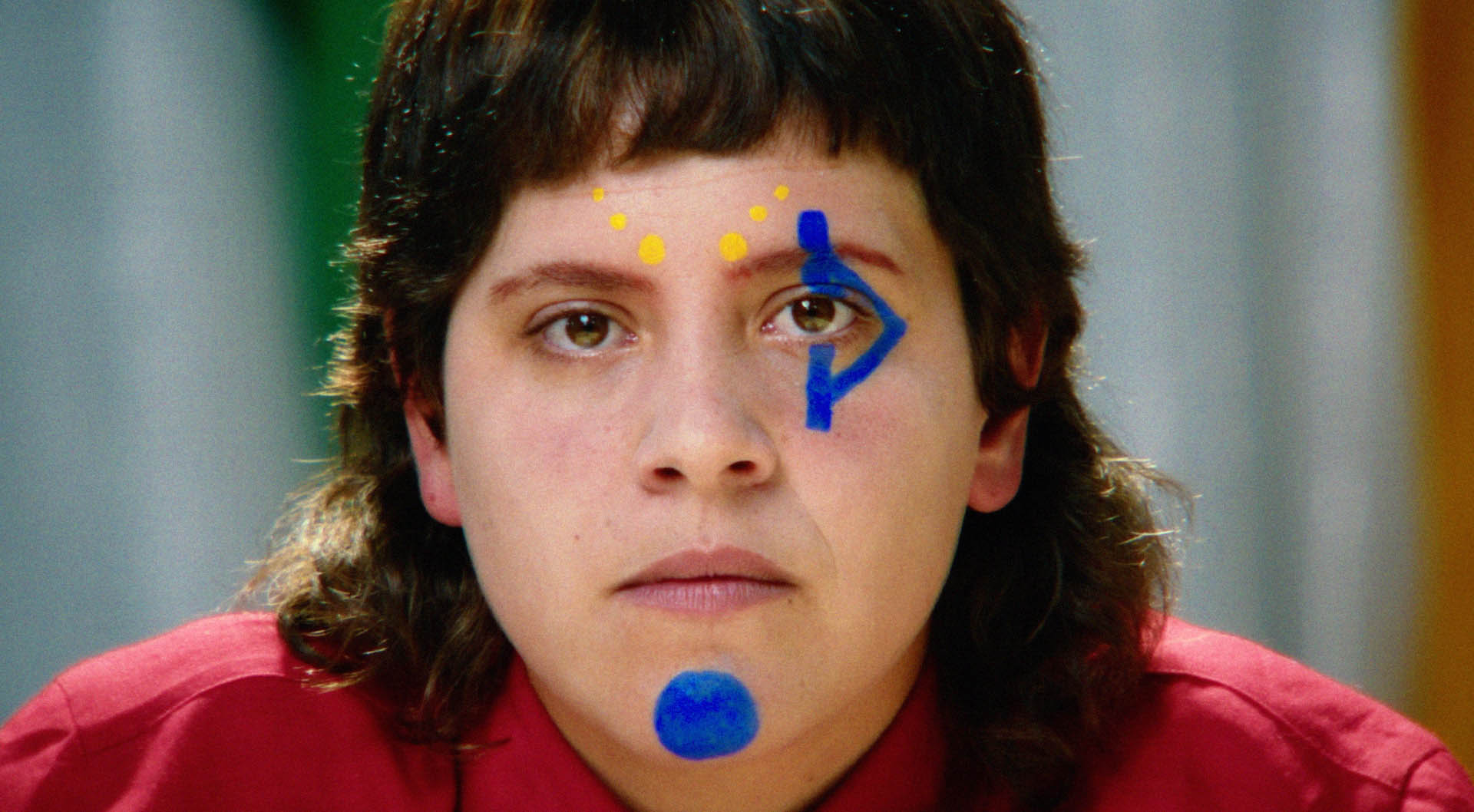
¿Quién mató a la cucaracha?
Juan Escribano Tamayo • Espanya